

In North Laguna, CA, you might not realize the hidden health risks lurking in your home’s air. Dust, mold, and volatile organic compounds can quietly affect your well-being, leading to issues like headaches and fatigue. This is especially concerning for vulnerable groups, such as children and the elderly. Understanding how to identify and address these indoor air quality challenges is essential. What steps can you take to protect yourself and your loved ones?
Understanding Indoor Air Quality and Its Importance
Indoor air quality (IAQ) is crucial for your health and comfort, especially since you spend so much time indoors. Poor IAQ can lead to a range of health issues, from respiratory problems to headaches and fatigue.
You mightn’t realize that the air you breathe at home can be more polluted than outdoor air. Understanding IAQ involves recognizing factors like humidity, temperature, and ventilation, all of which affect how fresh or stale your indoor air feels.
You should prioritize maintaining a good IAQ to improve your well-being. Regularly changing air filters, ensuring proper ventilation, and controlling humidity levels can greatly enhance your environment. Additionally, professional air duct cleaning can significantly improve air quality by eliminating dust and allergens from your home.
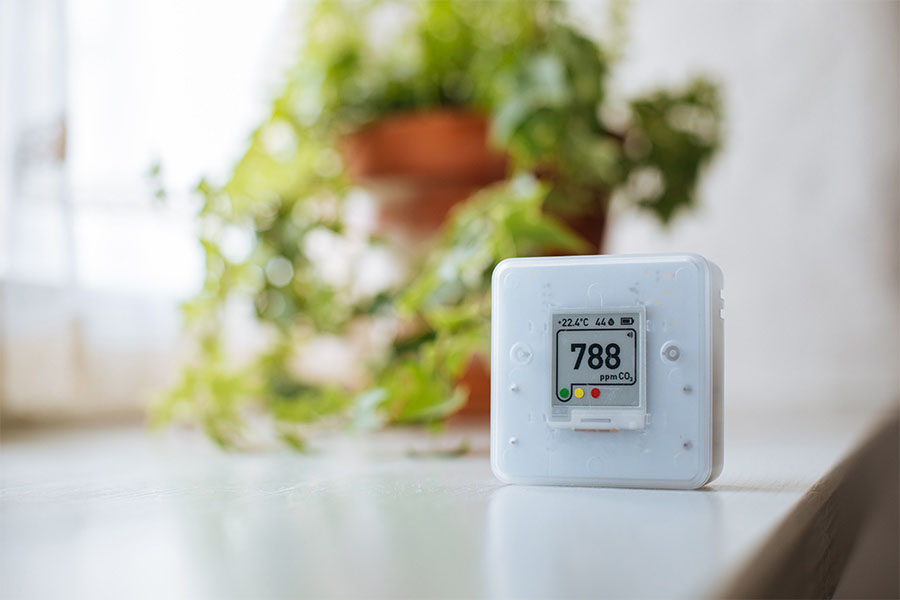
Investing in air quality monitoring devices can likewise help you keep track of pollutants. By focusing on IAQ, you cannot only protect your health but also create a more comfortable living space for you and your family.
Common Sources of Indoor Air Pollutants
While you might think your home is a safe haven, it can harbor various indoor air pollutants that compromise your health. Common sources include dust, mold, and pet dander, which can accumulate in carpets and upholstery.
Household products like cleaning supplies, paints, and air fresheners release volatile organic compounds (VOCs) that can linger in the air. Furthermore, your HVAC system can circulate dust and other particles if not properly maintained. Regular AC maintenance is crucial to help mitigate these issues.
Combustion appliances like gas stoves and fireplaces can emit carbon monoxide and nitrogen dioxide, especially in poorly ventilated spaces. Even your furniture can contribute to indoor air pollution, as certain materials can release harmful chemicals over time.
To safeguard your health, regularly check for these pollutants and guarantee proper ventilation throughout your home. Taking proactive steps now can help create a healthier living environment for you and your family.
Health Effects of Poor Indoor Air Quality
Poor indoor air quality can greatly impact your health, leading to a range of issues that you mightn’t immediately associate with your living environment.
When you breathe in contaminated air, you’re at risk for respiratory problems, allergies, and even chronic illnesses. You may experience symptoms like headaches, fatigue, and eye irritation, which can affect your daily life. Long-term exposure to pollutants, like mold or volatile organic compounds, may increase your risk of developing serious conditions, including asthma or heart disease.
Children, the elderly, and those with pre-existing conditions are particularly vulnerable.
If you spend a lot of time indoors, especially in poorly ventilated spaces, it’s important to pay attention to your air quality. Taking steps to improve your indoor environment can greatly boost your well-being, ensuring you live comfortably and healthily in your home.
Prioritizing clean air is vital for maintaining your overall health.
Signs Your Indoor Air Quality May Be Compromised
Recognizing the signs that your indoor air quality is compromised is crucial for maintaining a healthy living environment.
If you notice any of the following indicators, it’s time to take action:
- Persistent odors: Unpleasant smells that linger can indicate mold, mildew, or other pollutants.
- Increased allergy symptoms: If you or your family members experience more frequent sneezing, coughing, or itchy eyes, your air quality may be to blame.
- Excessive dust accumulation: If you find yourself dusting more often than usual, it could be a sign that your air isn’t circulating properly.
Regular AC maintenance services can significantly improve your indoor air quality by ensuring that your system operates efficiently.
Being aware of these signs can help you address indoor air quality issues before they lead to serious health problems.
Don’t ignore your environment—making changes now can promote a healthier, more comfortable home for you and your loved ones.
Tips for Improving Indoor Air Quality in Your Home
Improving your indoor air quality is essential for creating a healthier home environment, and there are several effective strategies you can implement right away.
Start by ensuring proper ventilation. Open windows when the weather permits to let fresh air circulate. Use exhaust fans in kitchens and bathrooms to expel moisture and odors.
Next, invest in high-quality air filters for your HVAC system and replace them regularly. Consider using an air purifier with a HEPA filter to capture airborne particles.
Keep your home clean by dusting and vacuuming frequently, using a vacuum with a HEPA filter. Limit the use of harsh chemicals and opt for natural cleaning products instead.
Finally, monitor humidity levels; aim for 30-50% to prevent mold growth.
Conclusion
In the vibrant tapestry of North Laguna, your indoor air quality is the unseen thread that can unravel your health. By staying vigilant and addressing pollutants like dust and mold, you can weave a safer, healthier home. Think of fresh air as a gentle breeze, sweeping away the heaviness of fatigue and discomfort. Don’t let poor air quality dim your family’s energy; take action now to breathe easier and welcome the bright, coastal life you deserve.