

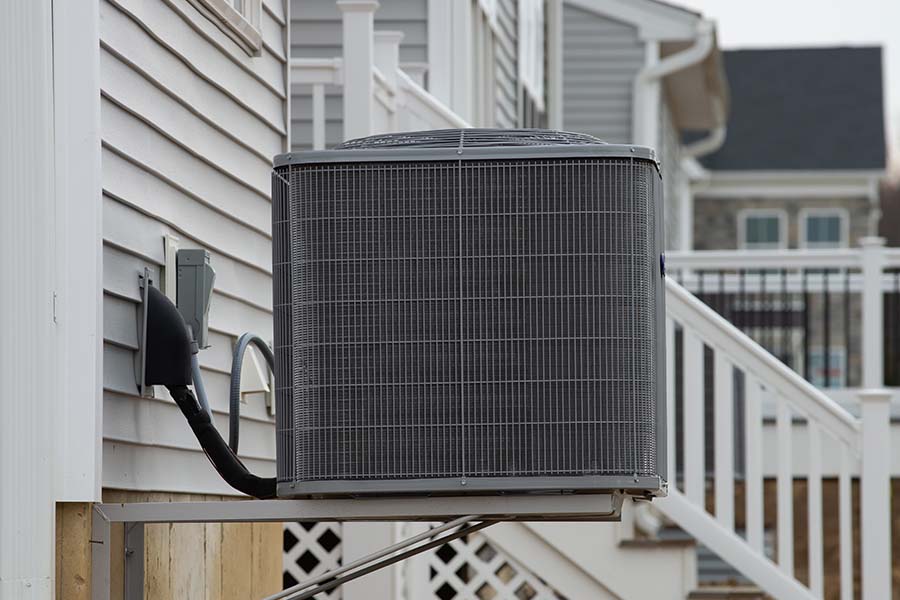
When your air conditioner starts a cooling cycle, a soft hum from the equipment is completely normal. A hissing sound, on the other hand, is a different story, and homeowners across Folsom often ask us the same question: why is my AC making a hissing noise?
Hissing from HVAC equipment is more common than most people realize, and it can indicate several underlying issues. In our service calls throughout Folsom, from homes near Folsom Lake to properties along the Highway 50 corridor, we hear this concern regularly during the peak of summer. This guide from Airmech Heating and Air Conditioning, a trusted provider of AC repair in Folsom, CA, outlines the most likely causes and what they mean for your system.
Reasons for AC Hissing Noises in Folsom Homes
As summer temperatures climb in Folsom, your air conditioner works harder to keep indoor spaces cool and comfortable. Over time, homeowners get used to the everyday sounds their equipment makes, which is exactly why a new hissing noise tends to stand out. Based on what we see in Folsom properties, a hissing sound usually points to one of the issues below.
Refrigerant Leak
One of the most common reasons for hissing sounds in air conditioning units is a refrigerant leak. Refrigerant is the chemical that absorbs heat from indoor spaces and releases it outdoors.
If the noise is coming from inside your home, the evaporator coil is often the source. Other signs that may point to a refrigerant leak include:
- Warm airflow: vents blowing warm air instead of properly conditioned air
- Rising utility costs: higher than normal energy bills without a clear explanation
- Coil frost: visible ice or frost forming on the coils
Refrigerant issues involve pressurized chemical lines and specialized equipment, so diagnosing and repairing a leak safely requires a licensed HVAC technician rather than a homeowner attempting to trace the problem.
Clogged Condenser Coil
A refrigerant leak isn’t the only cause of unusual sounds around a condenser coil. When dirt, dust, and other debris build up on the coil, the refrigerant inside can’t transfer heat efficiently.
To compensate, the air conditioner has to work harder to reach and maintain your desired indoor temperature. Beyond inconsistent cooling and higher energy consumption, that extra strain can also produce a hissing sound as the system struggles to keep up.
Worn or Faulty Components
Air conditioning systems in Folsom sometimes develop mechanical issues that produce a range of unusual sounds, hissing included. A damaged compressor, a broken fan belt, or other worn components can all contribute to strange cooling noises.
Replacing damaged or worn parts can resolve the noise and restore normal operation, though depending on the extent of the wear, a full system replacement may be the more practical long-term solution. Our team can walk you through an AC maintenance and tune-up plan designed to catch this kind of wear before it turns into a bigger repair.
Compressor Malfunction
An air conditioner can leak refrigerant in several areas, including the compressor itself. The compressor’s job is to circulate refrigerant through the condenser and evaporator coils.
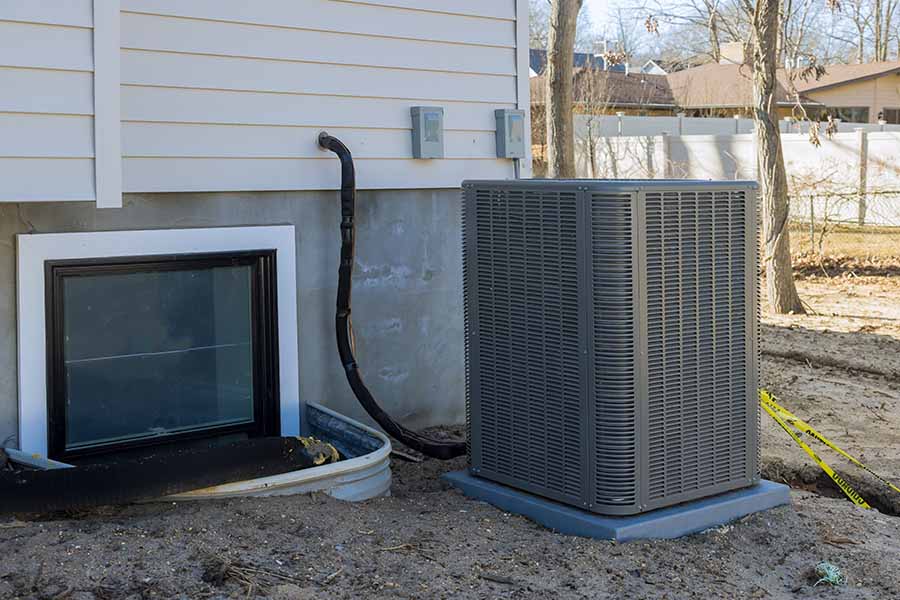
Because the compressor operates under pressure, you may hear a hissing or bubbling sound around your system’s outdoor unit, which houses both the compressor and the condenser coil. That said, the sound doesn’t always indicate a leak. It can also signal a pressure problem within the compressor.
When pressure inside the compressor exceeds normal levels, it can produce a loud hissing or screeching sound that lasts up to 15 seconds, typically right as the air conditioner powers on.
Air Duct Leaks
Ductwork can develop tears, gaps, and cracks over time, and Folsom’s shifting seasonal temperatures only add to that wear. As conditioned air escapes through damaged sections, it creates high-pitched whistling or hissing noises that are often audible right through the vents. Ductwork is the likely culprit if you’re also noticing trouble keeping your home cool or energy bills that keep climbing. An evaluation of ductwork repair or replacement can confirm whether this is the source.
Internal Valve Issues
If your home uses a heat pump and you’re asking why your AC is making a hissing noise, a reversing valve issue is often to blame. Heat pumps handle both cooling and heating for Folsom homes, and the reversing valve controls the direction refrigerant flows, allowing the system to move heat indoors or outdoors depending on the season.
These valves can occasionally get stuck between heating and cooling modes, producing a hissing sound during the transition. While the valve itself may be defective, a stuck reversing valve often points to a larger underlying issue with the heat pump. A thorough inspection by a qualified technician is the most reliable way to pinpoint what’s really going on.
When to Call for Emergency Support
Some hissing noises can wait for a scheduled appointment. Still, others, particularly those paired with warm airflow, a sudden spike in energy costs, or a system that stops cooling altogether, call for faster attention. Our emergency AC repair team is available to step in quickly when a Folsom home loses cooling capacity during the hottest stretches of the year.
Keeping Folsom Homes Comfortable, One Hiss at a Time
Now you have a clearer picture of what might be behind that hissing sound. To identify the precise cause of the issue in your home, the team at Airmech Heating and Air Conditioning is ready to help. Our experienced technicians can determine whether your cooling equipment has a refrigerant leak, a pressure imbalance, or another issue affecting performance, and we bring that same level of care to every property we service, from Historic Folsom to the neighborhoods surrounding Folsom Lake.
Routine maintenance goes a long way toward catching these problems early, often before they turn into costly repairs. Contact our team today to schedule a visit and learn more about our maintenance plans and repair services.